
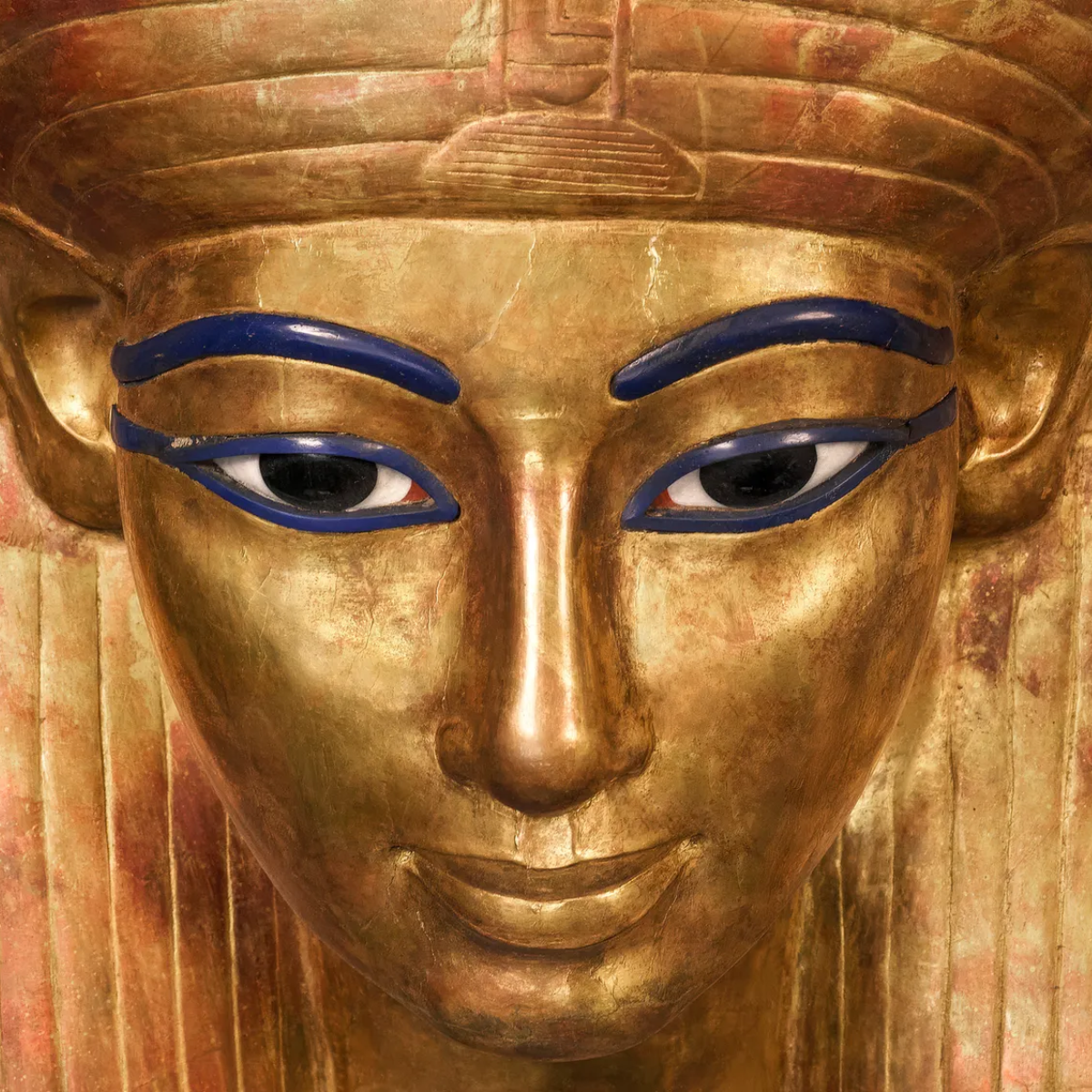
Treasures of the Pharaohs @ de Young
Join in celebrating the opening of Treasures of the Pharaohs. This exhibition brings together 130 priceless artifacts from the Egyptian Museum in Cairo and the Luxor Museum, many of which have never left Egypt before. They were found across seven major archaeological discoveries, from the 1859 uncovering of Queen Ahhotep II’s tomb to the recent discovery of the Golden City in Luxor’s West Bank. In this talk, Dr. Tarek El Awady looks beyond the dazzling gold and asks what these treasures really mean. He questions whether the marvelous workmanship of the artifacts have overshadowed the fascinating human stories behind their discovery. He reflects on what these objects have taught us about history. Most important, Dr. El Awady tackles a central question that runs through the entire exhibition: Why did the pharaohs bury so much treasure in their tombs? Did they really spend their whole lives preparing not for life — but for death?
Dr. Tarek El Awady is an accomplished Egyptologist, museum director, and field archaeologist with over 30 years of experience spanning heritage management, curatorial leadership, and groundbreaking excavations. He has directed major museums, managed UNESCO World Heritage sites, and curated international touring exhibitions. His extensive field experience includes directing royal necropolis excavations from Giza to Luxor, with significant discoveries including the Pectorial Program of King Sahure’s Causeway, the remains of the Valley Temple of Queen Hatshepsut, and the intact tomb of Teti-Nefer.
About the Exhibition
This exhibition brings the world of the pharaohs to life through 130 exquisite works spanning 3,000 years of history. From towering stone statues to gilded masks to intricate gold jewelry, these objects reveal the power, beauty, and beliefs of the ancient Egyptians.
The exhibition begins with the pharaoh, who was seen as both a king and a god. It then expands to explore the people and beliefs that shaped Egyptian life. Explore how Egyptians viewed death not as an ending, but as a new beginning — and the elaborate rituals they created to prepare for it. Objects found in tombs — such as jewelry, cosmetics, tools, and furniture — offer a glimpse into daily life and values.
A special highlight is the US debut of objects from the Golden City, a newly unearthed workers’ community near Luxor. The suddenly abandoned city is a moment frozen in time, much like Pompeii. Together, these artifacts illuminate one of history’s most extraordinary civilizations.