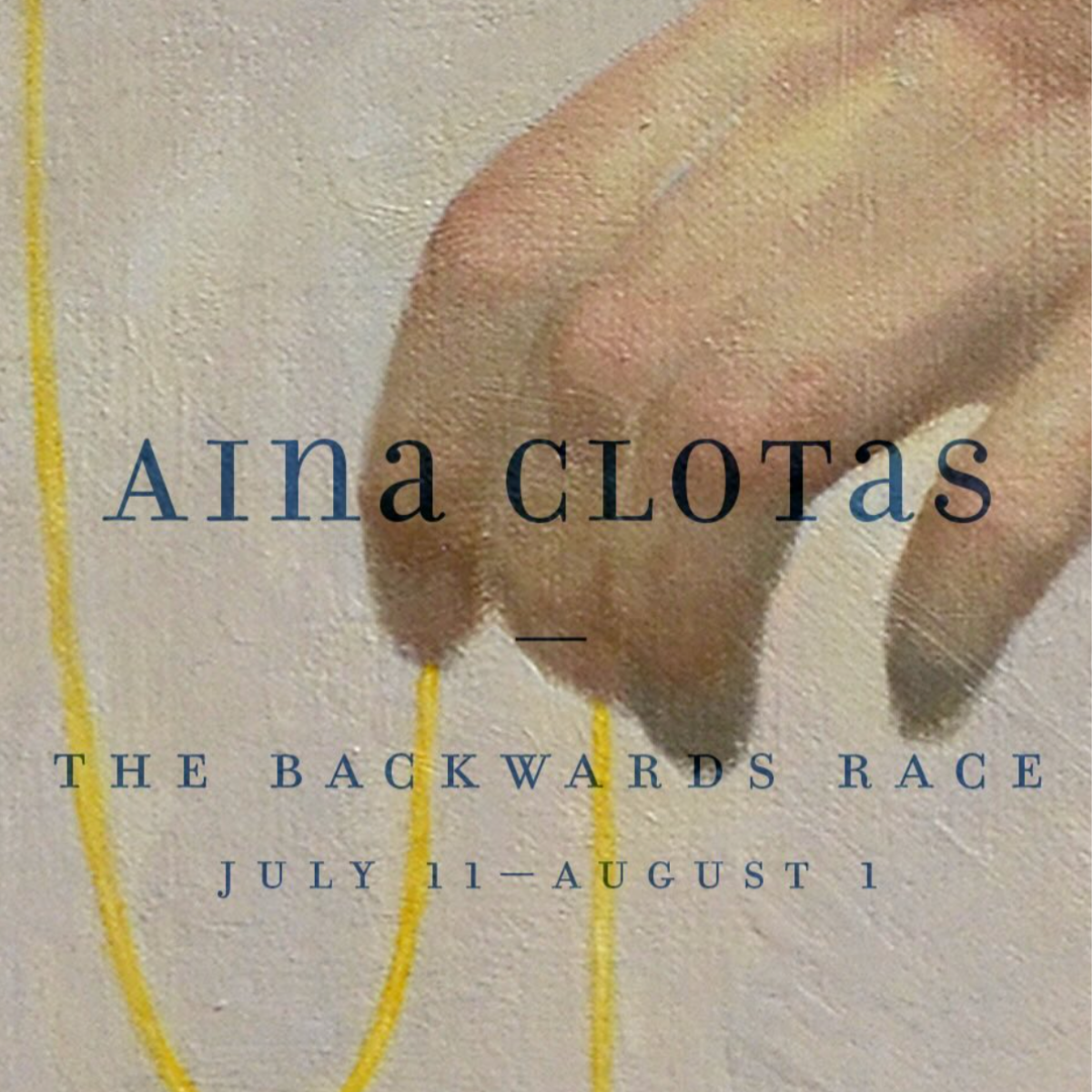
Clotas positions the human body as both evidence and mystery: a physical structure, a vessel of feeling and memory, and one of the last places where humanity resists reduction into mere duty or function. While her paintings are grounded in figuration and shaped by classical training, Clotas perceives the figure as inseparable from abstraction. Her visual narratives combine rationalism with a touch of absurdity, reflecting a generation tangled in societal roles, misinformation, fears, and dreams.
In her work, flesh, shadow, gesture, and negative space all become a language through which the rational and irrational move together, allowing the body to speak beyond the strictly literal.